Deck Building: What to Expect From Professional Deck Builder Services
When exploring the services of a professional deck builder, customers can look forward to a structured process to reimagining their outdoor living environments. From the initial consultation to the final touches, every stage is crafted to ensure adherence to local standards and quality. Being aware of what lies ahead can streamline the process and boost client confidence. Nevertheless, many are often unsure about what is expected of them throughout this undertaking. What should they know before starting on this project?
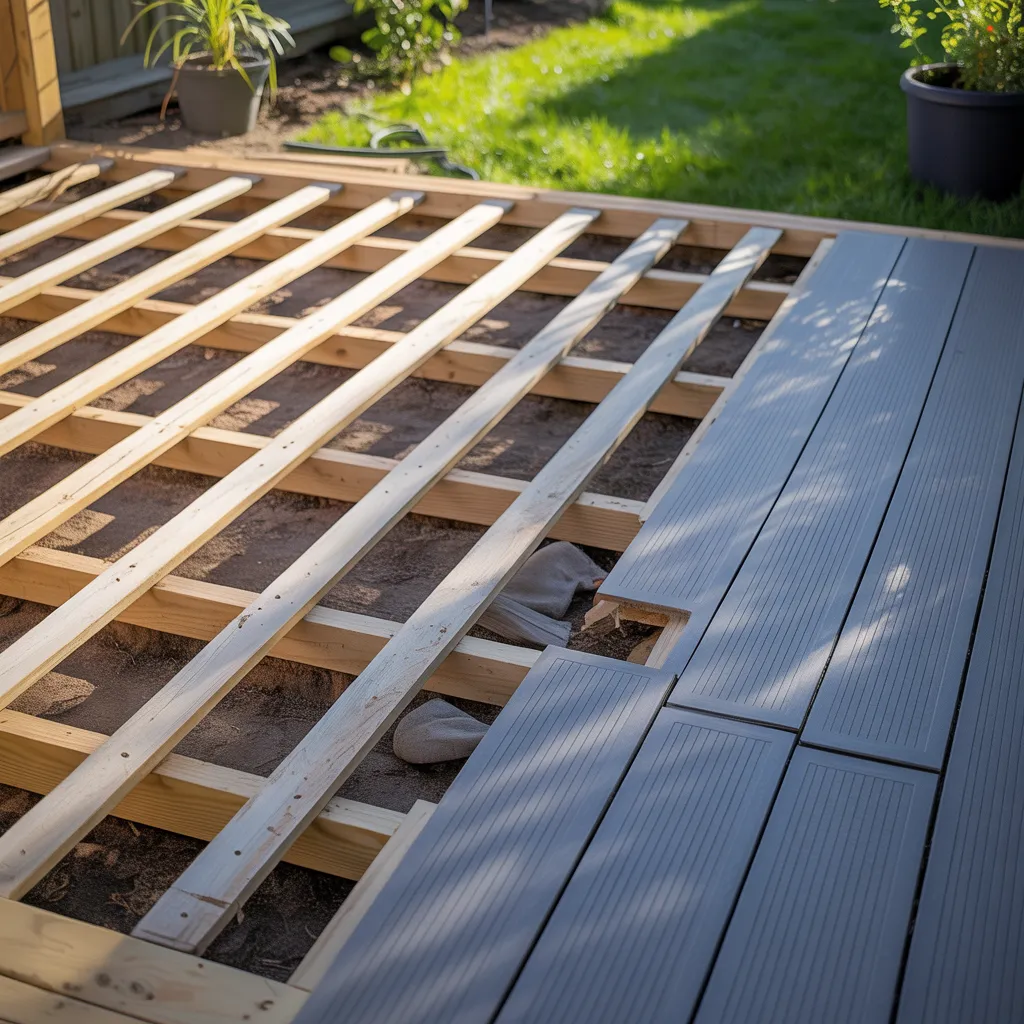
What a Professional Deck Builder Does
A proficient professional deck builder is instrumental in transforming outdoor spaces. Their knowledge covers design, material selection, and construction, ensuring that each project aligns with the client's vision and local regulations. By assessing the unique characteristics of a site, they can identify suitable designs that improve both functionality and visual appeal.
These experts excel at handling the full scope of the building process, liaising with vendors and suppliers, and keeping to strict timelines. They have extensive knowledge of a wide range of materials, including wood and composite options, enabling them to guide clients regarding material durability and ongoing maintenance.
Additionally, a deck builder ensures structural stability, applying safety standards that meet building codes. Their knowledge helps avoid frequent mistakes, delivering a efficient building process and a successful final outcome. When all is said and done, a professional deck builder not only creates versatile outdoor spaces but also contributes significant value to a home through thoughtful design and superior craftsmanship.
What to Anticipate in Your Initial Consultation
At the first meeting, homeowners find the facts can anticipate a detailed review of their project objectives, enabling the builder to grasp their ideas. Furthermore, design element preferences will be discussed to confirm a match between the client's expectations and the builder's capabilities. This foundational meeting sets the stage for a successful deck-building process.
Project Objectives Overview
When customers participate in an introductory meeting for professional deck building, they can anticipate a comprehensive conversation designed to clarify the goals and preferences of the project. This discussion generally starts with clients outlining their vision for the deck, including intended uses such as entertaining or relaxation. Specialists will discuss key features, material preferences, and budgetary considerations. Furthermore, they will often cover any local regulations or property considerations that might influence the outcome. Through carefully attending to the clients' needs and desires, the professional can confirm alignment between the planned work and the client's goals. Establishing these foundational goals is vital for a productive working relationship, thereby directing the design and building process ahead.
Exploring Design Preferences
How should clients express their design preferences when meeting with deck building professionals for the first time? Clients should come prepared with ideas, sketches, or images that reflect their vision for the deck. Sharing specific styles—such as modern, rustic, or traditional—can help builders understand aesthetic preferences. It's also beneficial to discuss the intended use of the deck, whether for entertaining, relaxation, or family gatherings. Careful consideration of materials, colors, and features including railings or lighting is important, since these components have a major impact on the overall design. Open dialogue is essential; asking questions and being receptive to the builder's suggestions can lead to a more tailored outcome. Such a team-oriented approach confirms that both parties share a unified vision and a clear understanding of the project's practical requirements.
What Role Should You Play in the Deck Building Process?
What role should one assume in the deck building process? Homeowners should adopt an engaged yet team-oriented position, working alongside experienced contractors while transparently conveying expectations and specifications. This involvement guarantees that the finished deck aligns with personal vision and practical requirements.
To begin, home improvement planners should seek inspiration and develop a catalog of preferred features, including design, materials, and function. This approach provides design-build experts with a clear framework for design discussions.
Next, it is vital to be open to expert guidance. Construction professionals often bring significant understanding regarding building soundness, local building codes, and budget efficiency.
Finally, homeowners need to set a budget and timeline from the outset, promoting open communication and defining realistic expectations. By balancing their vision with expert guidance, homeowners can make a significant contribution to designing a deck that elevates their outdoor living space.
How to Transform Your Design Concepts Into Reality
Transforming design concepts into reality demands a well-planned strategy connecting creativity and implementation. Initially, it is essential to clarify the vision, making certain that all design aspects correspond to the homeowner's expectations. Professional deck builders often recommend creating detailed sketches or using 3D modeling software to visualize the final product accurately.
Furthermore, developing a realistic schedule and budget is critical. This phase involves addressing likely difficulties, such as ground conditions or regulatory requirements, with the contractor to predict and minimize any concerns. Maintaining open communication is vital; regular updates and consultations help maintain the project's direction toward the core objectives.
In the end, working with an skilled decking professional who recognizes the complexities of design implementation assures that the move from concept to construction is seamless. Through these methods, homeowners can effectively handle the conversion of their planning ideas into a beautiful, practical outdoor living environment.
How to Find the Right Materials for Your Deck
Choosing the right options for a deck requires thorough evaluation of several alternatives, including wood and composite materials. Each choice provides distinct advantages, particularly concerning long-term performance and visual appeal. Additionally, understanding environmental durability is essential for achieving long-lasting performance in different climates.
Wood vs. Composite Options
Picking the best materials for a deck can considerably influence its durability, maintenance, and aesthetic appeal. Property owners often face the decision between traditional wood and composite materials. Wood, commonly favored for its organic appeal and warmth, delivers a classic look but requires regular maintenance, including treating and sealing. Alternatively, composite decking, made from a blend of wood fibers and plastic, delivers a low-maintenance alternative that is resistant to fading and splintering. Although it may require a greater upfront investment, composite materials often prove more durable over time. At the end of the day, the selection is determined by personal preference, budget, and long-term maintenance commitments, influencing the overall satisfaction with the finished deck.
Weather Resistance Guidelines
When considering deck materials, weather resistance is a critical consideration that significantly impacts durability and functionality. Choosing the right materials can guard against harm from moisture, UV rays, and temperature fluctuations. As an example, composite decking frequently incorporates innovative technology to prevent fading and warping, making it ideal for varied climates. Pressure-treated wood is also available, but it demands consistent upkeep to prevent rot and insects. Furthermore, tropical hardwoods, known for their natural oils, deliver outstanding protection against the elements but can be costlier. In the end, assessing the regional climate and examining the characteristics of various materials assists in selecting a deck that holds up against weather conditions, ensuring a durable and attractive outdoor space for years to come.
Construction Timeline: What to Anticipate
How much time does a standard deck construction project require? Deck construction timelines can differ significantly depending on a number of factors, such as the complexity of the design, the materials selected, and prevailing weather conditions. Typically, a simple deck installation can be completed within one to three weeks. This period covers a number of distinct stages, starting with the initial consultation and design approval, followed by site preparation and material acquisition.
Once the necessary permits are obtained, construction begins. This period involves framing, deck installation, and final details, including railings and stairs. Every stage demands careful attention to detail and may be influenced by unexpected setbacks, including inclement weather or supply chain issues. Homeowners should anticipate regular communication with their deck builders to stay informed about project developments and possible timeline changes. Overall, understanding the construction timeline helps set realistic expectations for homeowners starting on a deck-building project.
Major Deck Building Challenges and How to Solve Them
Constructing a deck presents numerous difficulties that can challenge even the most seasoned builders. Among these, ground preparation often proves to be a substantial hurdle. Uneven terrain or poor drainage can hinder the installation process. Contractors can overcome this by carrying out detailed inspections and implementing appropriate grading techniques.
One recurring difficulty lies in selecting suitable materials. Given the wide range of choices on the market, finding the right balance between appearance, budget, and longevity is essential. Experts can address this challenge by offering clients thorough breakdowns of materials appropriate for particular settings.
Weather-related factors present a significant challenge, as unforeseen precipitation or severe temperature changes can set projects back. To tackle this issue, developing contingency timelines and closely tracking weather predictions remains vital.
Finally, complying with local construction regulations and codes may seem overwhelming. Keeping informed about these requirements and working alongside regulatory bodies can simplify the permitting process, ensuring compliance and timely project execution.
Maintenance Tips for Longevity Recommended by Deck Builders
Successful deck construction is just the beginning of maintaining a beautiful outdoor space. Routine upkeep is crucial for durability and visual appeal. Deck builders recommend routine inspections, focusing on loose boards, rusted screws, or signs of rot. Washing the deck a minimum of two times annually is essential; utilizing a light detergent and a gentle scrub brush can ward off debris buildup and fungal growth.
Adding a weather-resistant sealant every couple of years helps guard against sun and moisture damage, maintaining the wood's strength. In the autumn, it's advisable to clean away leaves and debris to avoid moisture buildup and possible rot.
Moreover, deck owners should confirm adequate drainage around the decking area to limit water pooling. If the deck is stained or painted, renewing these treatments can boost both durability and appearance. By following these guidelines, homeowners can make the most of their decks for numerous years, increasing their investment value and outdoor living experience.

Common Questions and Answers
How Much Should You Expect to Pay for a Professional Deck Building Service?
A professional deck building service usually costs between $15 to $35 per square foot, depending on materials, design complexity, and location. Extra costs may stem from permits and custom features, impacting the total cost.
What Permits Are Needed for Deck Construction?
Commonly, permits for deck construction consist of inspections, building permits, and zoning approvals, which vary by location. Property owners should review local regulations to secure compliance and avoid unnecessary fines or project delays during the building process.
Am I Able to Make Changes During the Construction Process?
Changes may be implemented during the development process, but they may need approval from the contractor. Alterations might affect timelines, costs, and materials, so open dialogue with the construction manager is essential for a successful transition.
Do Deck Builders Offer Warranties on Their Work?
Numerous deck contractors offer warranties on their work, providing coverage for material and workmanship deficiencies. These warranties can vary in duration and coverage, so homeowners should take care to confirm the specifics before the project gets underway.
What Is the Lifespan of My Deck With Proper Maintenance?
With proper maintenance, a expertly built deck can last 15 to 25 years. Regular inspections, cleaning, and sealing are essential to prolong its lifespan, ensuring structural integrity and aesthetic appeal throughout its use.